Managed Office vs Traditional Lease: What NCR Teams Should Pick in 2026

12 June 2026 · 3 min read

Two very different commitments
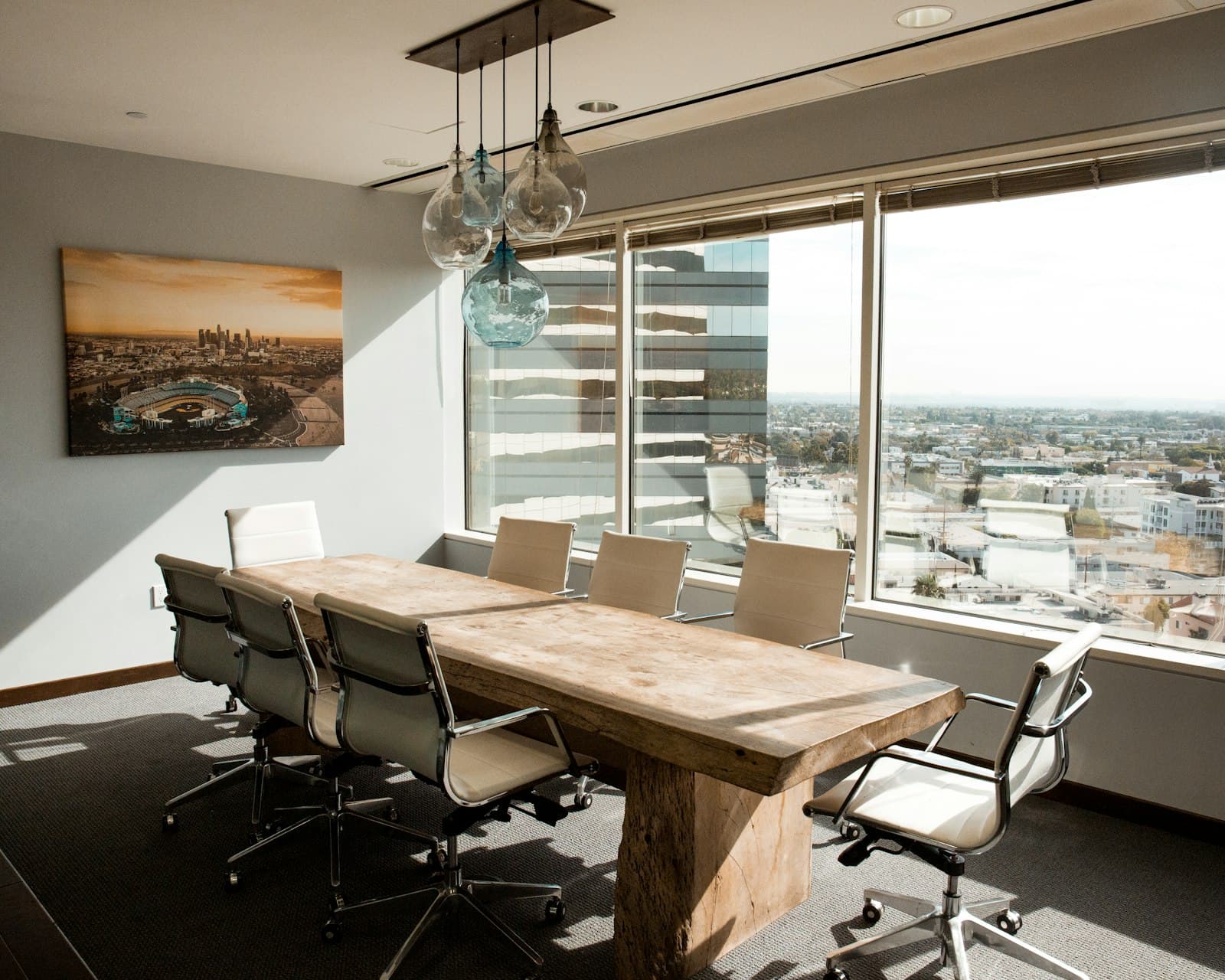
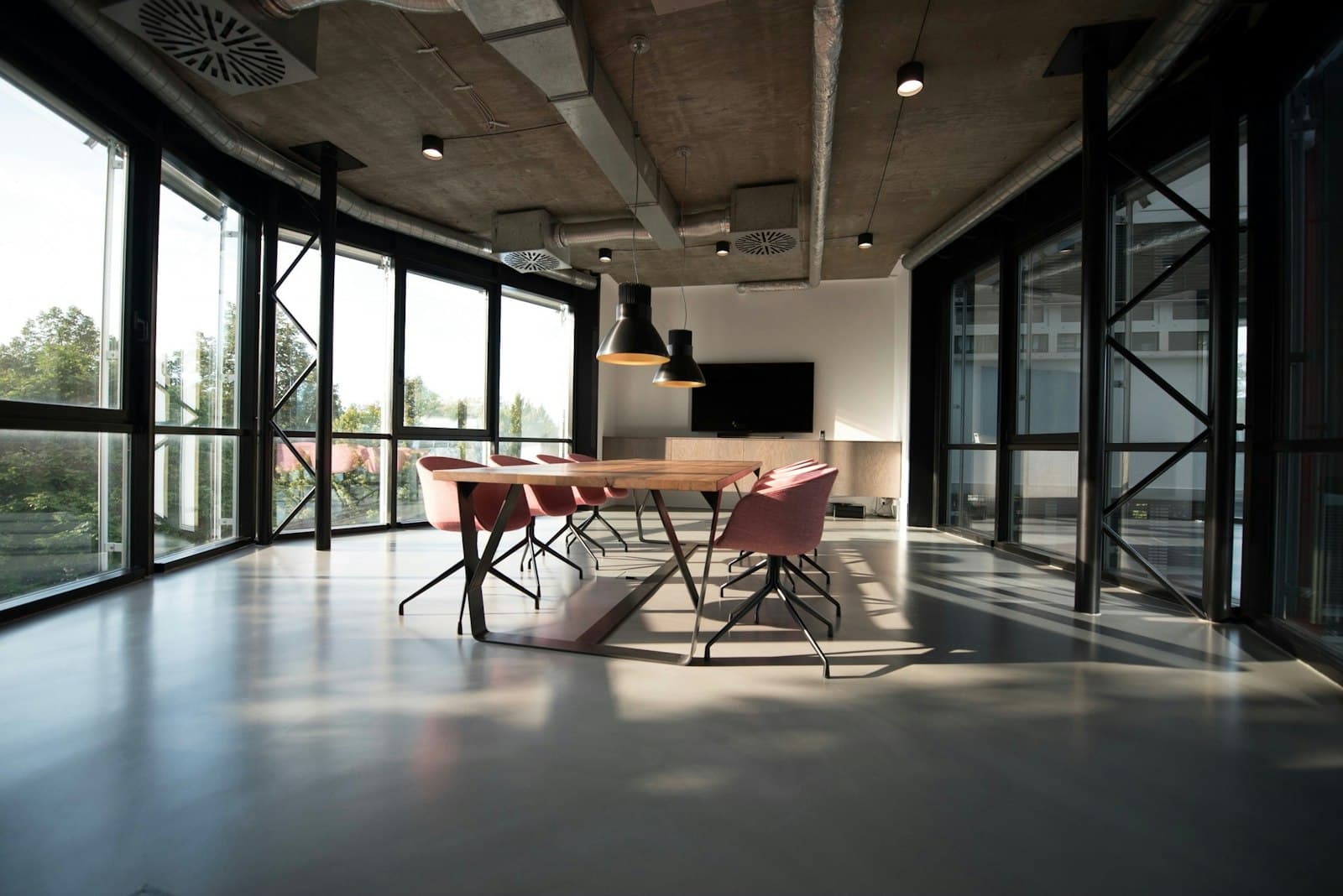
A managed office is delivered ready-to-work: an operator finds the space, fits it out to your brand, and runs facilities for a single per-seat fee. A traditional lease hands you bare shell and total control — along with fit-out CapEx, facility vendors and a 5–9 year commitment.
The comparison that matters
| Factor | Managed Office | Traditional Lease |
|---|---|---|
| Move-in time | 2–4 weeks | 4–8 months |
| Upfront cost | 2–3 month deposit | Fit-out CapEx ₹1,800–3,500/sq ft |
| Term | 12–36 months | 5–9 years |
| Scalability | Add seats on demand | Fixed footprint |
| Facilities | Operator-run | Your headache |
The break-even math
Below roughly 150–200 seats, managed offices almost always win on total cost of occupancy once you price in CapEx amortisation, facility staff and utilisation risk. Above that, a lease on the Noida Expressway or in Udyog Vihar — where rents run ₹50–75/sq ft — can undercut managed pricing by 15–25%, if you have the balance sheet and a 5-year horizon.
Our recommendation
Growing from 20 to 200 seats over three years? Take a managed office now with expansion rights, and revisit leasing at your next funding milestone. Explore managed offices across NCR or talk to our enterprise desk.